Treated vs. Untreated Gemstones: What It Means for Value
Last updated
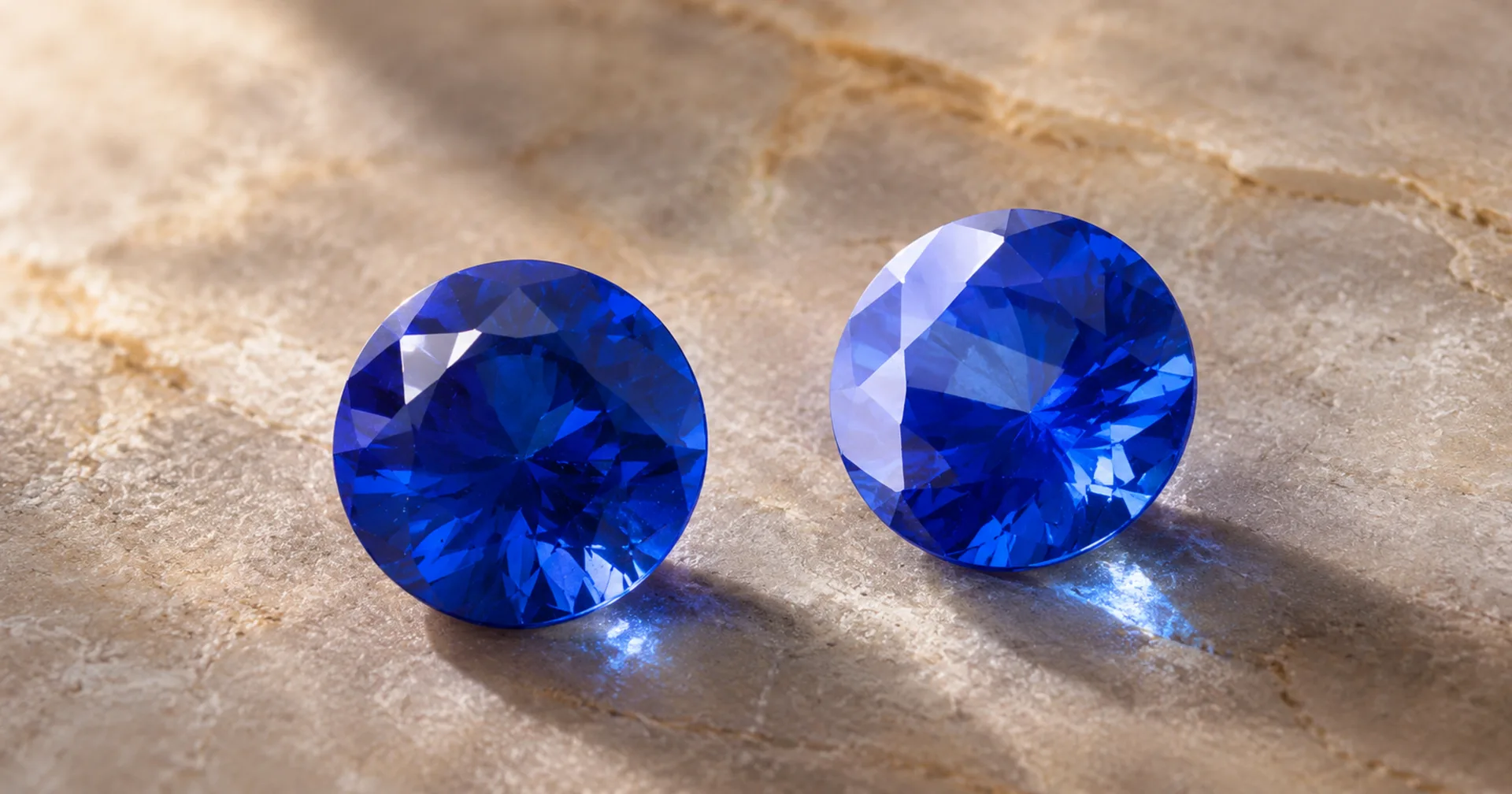
Of everything that decides what a colored gemstone is worth, treatment is the factor people know least about and the one most likely to change the number. Color, size and clarity you can at least see. Treatment you cannot, and that is precisely the point of it.
This is not a story about fraud. Treating gemstones is normal, legal and in some cases centuries old. But the gap between an accepted treatment and an aggressive one is enormous in money terms, and the only way to know which you own is to have someone look properly.
What a treatment actually is
A treated gemstone is a natural stone, formed in the ground, that has been altered after it came out. Heat, oil, resin, radiation or dye are applied to make its color stronger or its inclusions less visible. That is different from a synthetic stone, which is real gem material grown in a laboratory, and different again from an imitation, which is glass or another substance standing in for the gem.
So a treated ruby is still a ruby. The question is only how much of what you are looking at came from the earth and how much came from a workshop.
The common treatments, and what they do to value
| Treatment | Usually seen in | Effect on value |
|---|---|---|
| Heat | Ruby, sapphire, many others | Long accepted; permanent; modest effect on value |
| Oiling | Emerald | Long accepted; not permanent; light oil has modest effect |
| Resin filling | Emerald | Disclosed but heavier; significant effect when extensive |
| Lead glass filling | Ruby | Severe; worth a fraction of a natural stone, and fragile |
| Diffusion | Sapphire, ruby | Severe; color may be only skin deep |
| Irradiation | Topaz, some diamonds, pearls | Common and permanent; must be disclosed |
| Dyeing | Jade, agate, low-grade stones | Severe; often unstable and can fade |
| Fracture filling | Diamond | Severe; can be damaged by a jeweler’s torch |
The treatments the trade accepts
Heat is the oldest and most widespread. Heating ruby and sapphire improves color and can dissolve some inclusions, and because it has been done for centuries and the result is permanent, the market treats a heated stone as normal rather than compromised. An unheated stone of fine color still commands a premium, often a large one, but a heated sapphire is not a problem stone.
Light oiling plays the same role for emerald. Nearly every emerald has surface-reaching fractures, and filling them with cedar oil makes the stone look clearer. Minor oiling is expected. The difficulty is that oil is not permanent and can dry out over years, which is why an old family emerald sometimes looks less lively than it did.
The treatments that change everything
Lead glass filling takes heavily fractured, nearly worthless ruby and injects molten glass into every crack. The stone comes out looking bright, clear and substantial, and it is sold widely at prices that feel like a bargain. It is worth a small fraction of a natural ruby of the same size, and the filling can be dissolved or clouded by ordinary jewelry repair.
Diffusion drives color into the surface of a pale sapphire at high temperature. In some stones the color penetrates only a thin skin, so a recut or an aggressive polish exposes the colorless material underneath. A diffused sapphire can look like a fine one and is worth very much less.
Heavy resin filling in emerald, dyeing in jade and lower grade stones, and fracture filling in diamonds all follow the same logic: make poor material read as good material. Each is detectable, and each sharply reduces what a stone is worth.
Why you cannot see it
Every treatment on this page was developed by people who were very good at making the result look convincing. Across a counter, in a showroom's lighting, a glass filled ruby often looks better than the natural stone next to it, because the natural stone shows its inclusions honestly. Identifying treatment takes magnification, controlled lighting, experience with what each treatment leaves behind, and sometimes a gemological laboratory for a definitive answer.
Disclosure, and what to ask
Disclosing treatment is a professional obligation in the jewelry trade, and a reputable seller will tell you without being asked. If you are buying, ask directly whether the stone has been treated and how, and ask for it in writing. If you are looking at a colored stone priced well below what the size and color suggest, treatment is usually the explanation.
Care, once you know
Knowing what has been done to a stone also tells you how to look after it. Oiled emeralds, glass filled rubies and fracture filled diamonds should stay out of ultrasonic cleaners and steam, and should never go near a repair torch without the jeweler knowing first. Telling your jeweler what a stone is before any work begins can save the stone.
How we handle it at Coin Mart
Assessing treatment is part of every gemstone evaluation we do, and we tell you what we find even when it lowers what we can offer. More than sixty-five years at the same counter has taught us that a customer who understands why a number is what it is almost always comes back. Read more on emeralds →, rubies → and sapphires →, or go back to Precious Gemstones →
Frequently Asked Questions
- Are treated gemstones fake?
- No. A treated gemstone is still a natural stone that formed in the ground. Treatment changes its appearance, and therefore its value, but it does not make the stone synthetic or an imitation.
- Are most gemstones on the market treated?
- Yes. The large majority of commercial emeralds, rubies and sapphires have been treated in some way. Untreated stones of fine quality are genuinely rare, which is exactly why they carry a premium.
- Which treatments are accepted in the trade?
- Heat for ruby and sapphire, and light oiling for emerald, are both long established and widely accepted. They still have to be disclosed, but they do not disqualify a stone.
- Which treatments hurt value most?
- Lead glass filling in ruby, surface diffusion in sapphire, heavy resin filling in emerald, dyeing, and fracture filling in diamonds. These can reduce a stone to a small fraction of what the same gem would be worth untreated.
- Can I tell if my stone is treated by looking at it?
- Almost never. The whole purpose of most treatments is to make the result look like better material than it is. Identifying treatment takes magnification, proper lighting and experience, and some cases require a laboratory.
- Does a treated stone need special care?
- Often yes. Oiled emeralds, glass filled rubies and fracture filled diamonds can all be damaged by ultrasonic cleaning, steam or a repair torch. Tell your jeweler what a stone is before any work is done on it.
- Should sellers disclose treatment?
- Yes. Disclosure of treatment is a professional obligation in the jewelry trade. If nobody mentioned it when a stone was sold to you, that absence is itself worth asking about.
- Will Coin Mart tell me if my stone is treated?
- Yes, plainly, including when the answer lowers what we can offer. That is the point of an honest evaluation.
Visit Coin Mart Jewelry
📍 396 E St, Chula Vista, CA · Est. 1959
Bring your stone in and we will tell you plainly what has been done to it. Walk in or send us a message.