Sapphires: Value, Quality and How They Are Evaluated
Last updated
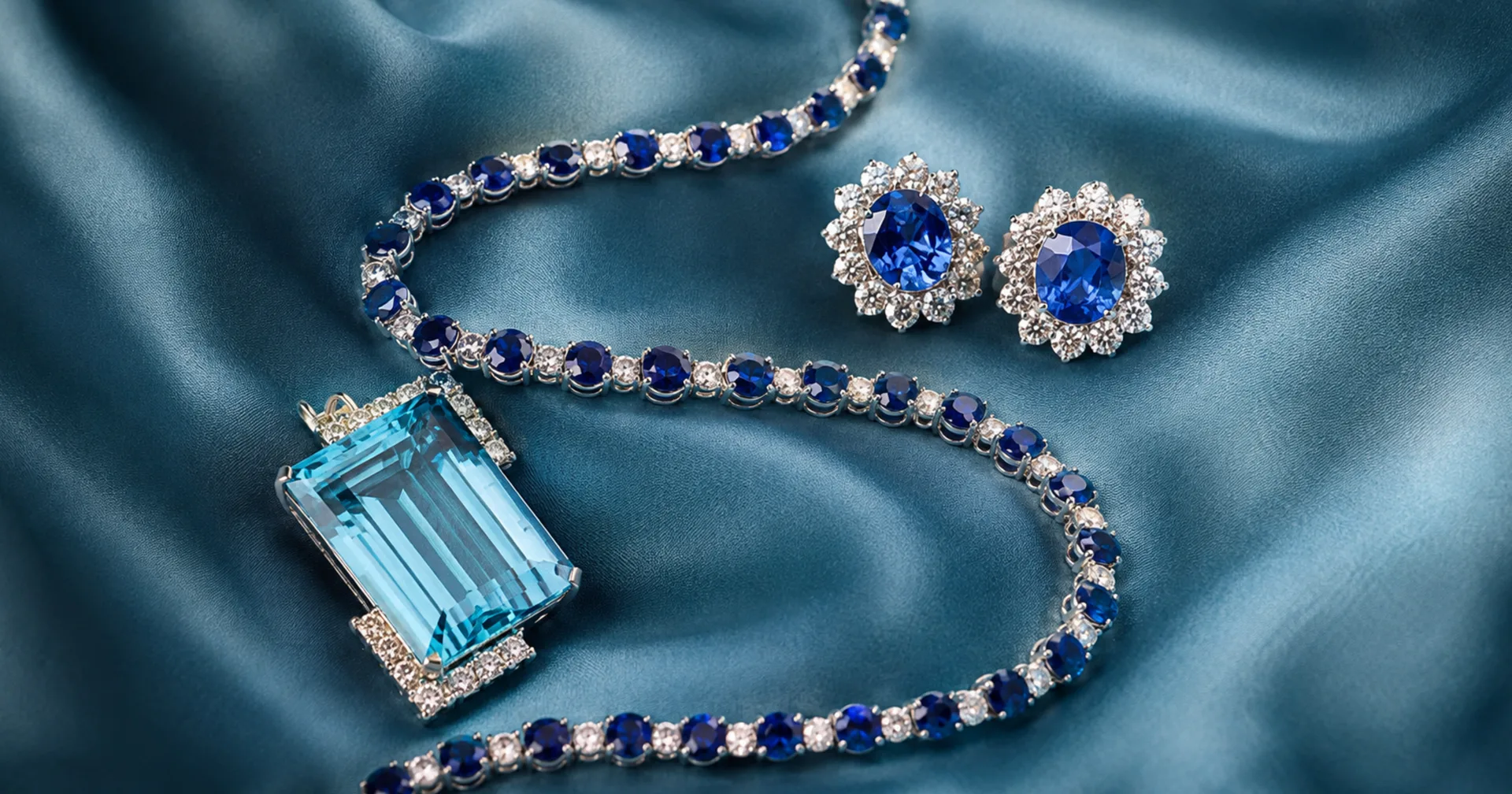
Sapphire is the stone people think they know. Say the word and most imagine a deep blue ring, and that image is not wrong, but it is a small part of the picture. Sapphire is the same mineral as ruby, corundum, and it appears in nearly every color there is. It is also, after diamond, the hardest gem material in common use, which is why it has been worn on hands for centuries and still looks new.
Color, and the blue everyone wants
For blue sapphire, the most valuable stones show a vivid, saturated blue that stays even across the gem. Two failures are common. A stone can be so dark that it goes inky and stops returning light, which happens often with material from some sources. Or it can be so pale that it reads as grey-blue rather than true sapphire. The stones that command the highest prices sit confidently between those extremes.
Color also behaves differently inside a sapphire than inside most gems. Many stones show zoning, bands of stronger and weaker color, and how the cutter orients the stone decides whether you see those bands face-up or hide them. That is why cut matters more here than people expect.
Not just blue
Because sapphire is simply corundum that is not red, the family is wide: pink, yellow, green, violet, orange, and colorless. These are called fancy sapphires, and some are rarer than blue. The most celebrated is padparadscha, a delicate blend of pink and orange named after a lotus blossom, which in fine quality can be worth more than an equivalent blue stone. Pink sapphire sits on the boundary with ruby, and exactly where that line is drawn can change a stone's value considerably.
A quick reference
| Factor | What raises value |
|---|---|
| Color | A vivid, even blue that is neither inky nor washed out |
| Clarity | Eye-clean is preferred; fine silk is normal in natural stones |
| Cut | A good cut keeps color even and avoids dark or pale zones |
| Origin | Kashmir is legendary; Burma and Ceylon (Sri Lanka) are highly regarded |
| Treatment | Heat is common and accepted; diffusion is a serious value issue |
| Hardness | 9 on the Mohs scale, which makes it excellent for everyday wear |
Why origin matters so much
Kashmir sapphires, from a Himalayan deposit largely worked out more than a century ago, have a velvety cornflower blue that the trade has never stopped chasing, and confirmed examples reach extraordinary prices. Burmese stones are prized for a rich royal blue, and Ceylon, now Sri Lanka, has produced fine sapphires continuously for two thousand years. Montana produces distinctive stones closer to home. Origin cannot be judged by eye, and because the premium attached to certain names is so large, it is one of the claims most worth verifying.
The treatment question
Nearly all sapphires sold today have been heated. It is an old and accepted practice that improves color and clarity, and it does not ruin value, though an untreated stone of fine color is considerably rarer and worth more.
Diffusion is the treatment to watch. Here color is driven into the stone at high temperature, sometimes penetrating only the outer skin, turning pale or near-colorless material into something that looks like a fine sapphire. The result can be convincing in a setting and is worth a fraction of the natural stone it imitates. Identifying it is a normal part of how we examine a sapphire. Learn more about treated vs untreated stones
What we see at the counter
Sapphires come across our counter more often than any other colored stone, usually in inherited rings, and the surprises run in both directions. A large, very dark blue stone that the family always called the valuable one is frequently worth less than the smaller, brighter stone beside it. And a plain-looking Ceylon sapphire in a dated setting sometimes turns out to be the piece worth keeping. We tell you which is which.
Buying or selling a sapphire at Coin Mart
Whether you want to buy a fine sapphire, sell one, or understand an inherited piece, we evaluate every stone in front of you, assessing its color, clarity, origin and treatment, and we explain what each means for value. Back to Precious Gemstones →
Frequently Asked Questions
- What makes a sapphire valuable?
- Color first: a vivid, even blue with strong saturation. Then size, clarity, origin and whether the stone has been treated beyond ordinary heat.
- Are all sapphires blue?
- No. Sapphire is any gem-quality corundum that is not red, so it also comes in pink, yellow, green, purple, orange and colorless. Those are called fancy sapphires, and the orange-pink padparadscha is among the rarest and most valuable of all.
- What is a Kashmir sapphire?
- Kashmir produced sapphires with a velvety cornflower blue from a mine that was largely exhausted over a century ago. Confirmed Kashmir stones command extraordinary premiums, which is also why the claim is made far more often than it is true.
- Is my sapphire heat treated?
- Most sapphires on the market are. Heat is a long-accepted practice that improves color and does not ruin value. Confirming it, and ruling out heavier treatments, takes expert examination.
- What is a diffused sapphire?
- In diffusion treatment, color is driven into the surface of a pale stone at high temperature, sometimes only skin deep. The result can look like a fine sapphire but is worth far less, and a recut or deep polish can reveal the pale material underneath.
- Are sapphires good for engagement rings?
- Very. At 9 on the Mohs scale, sapphire is one of the hardest gemstones and stands up to daily wear better than almost anything except diamond. It has a long history in engagement rings for exactly that reason.
- What is a star sapphire?
- A stone whose silk inclusions are dense and aligned enough to produce a six-rayed star across the surface when cut as a cabochon. A sharp, well-centered star on a stone with good body color can be very valuable.
- Can you evaluate a sapphire still set in a ring?
- Yes. We evaluate both loose sapphires and stones set in jewelry.
Visit Coin Mart Jewelry
📍 396 E St, Chula Vista, CA · Est. 1959
Bring your sapphire in for an honest evaluation of its color, origin and treatment. Walk in or send us a message.