Precious Gemstones at Coin Mart
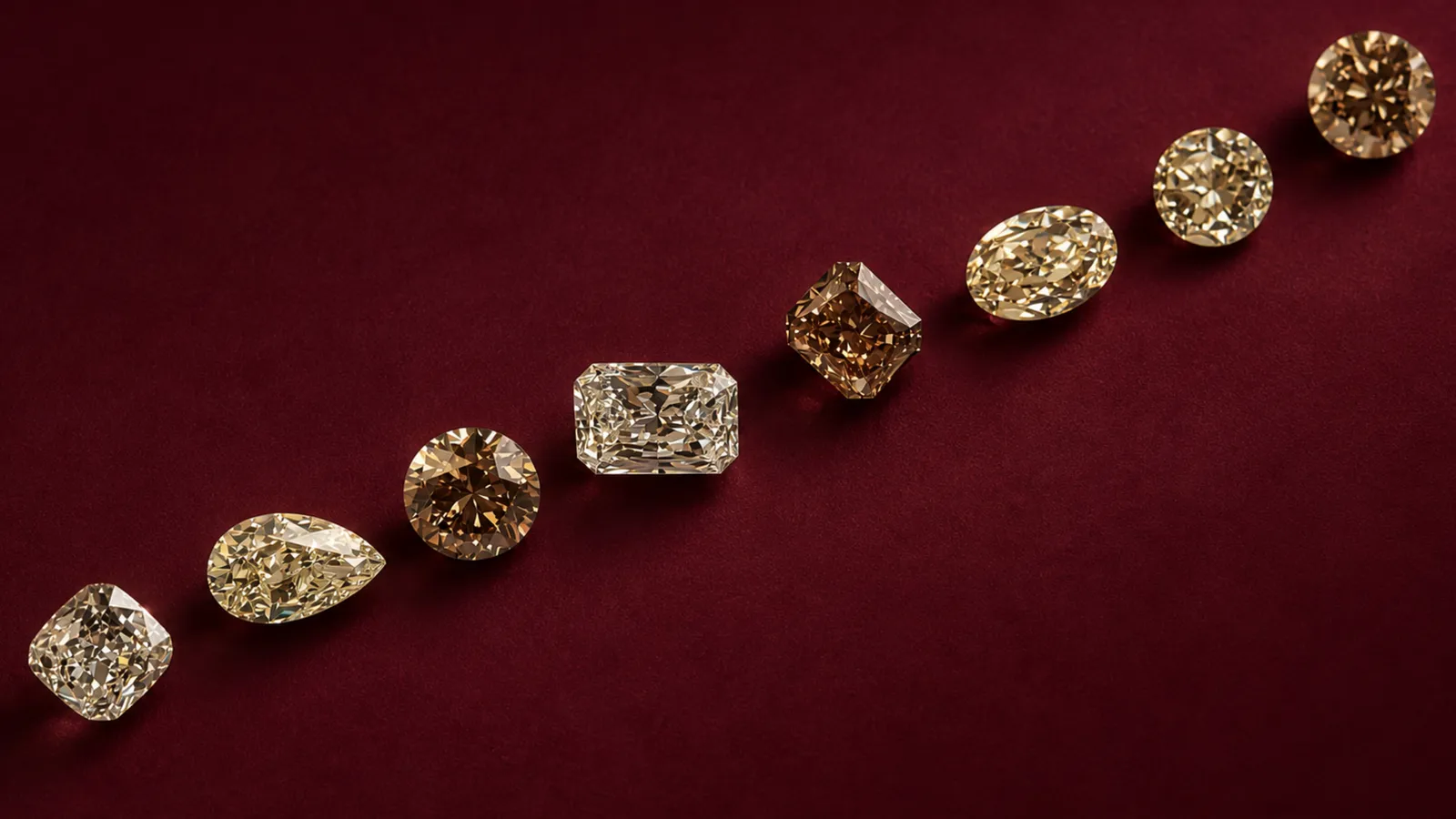
A fine gemstone is one of the most concentrated forms of value you can hold, and one of the hardest to judge by eye. Two stones that look almost identical across a counter can be worth very different amounts, and the difference comes down to details most people cannot see without training. That is why understanding how gemstones are valued protects you, whether you are buying one, selling one, or trying to understand a piece you inherited.
What gives a gemstone its value
Every colored stone is judged on a handful of qualities that work together.
Color is usually the single most important factor in a colored gemstone. Jewelers look at three things within it: the hue (the actual color), the saturation (how vivid it is), and the tone (how light or dark). The most prized stones show a rich, pure color that is neither too pale nor too dark.
Clarity refers to the natural inclusions inside the stone. Unlike diamonds, many colored gemstones are expected to have some inclusions, and in certain stones they even help confirm the gem is natural. What matters is how visible they are and whether they affect the stone's beauty or durability.
Cut shapes how the stone returns light. A well-cut gem comes alive, while a poor cut leaves even fine material looking flat.
Carat weight measures size. Larger gemstones are rarer, so price tends to climb steeply with size rather than evenly.
Origin can matter a great deal. Certain locations are famous for producing the finest examples of a stone, and a gem from one of them can carry a significant premium.
Treatment is the quiet factor that changes everything. Many gemstones on the market have been treated to improve their color or clarity, and an untreated natural stone is far rarer and more valuable than a treated one of similar appearance.
The stones we see most
Coin Mart regularly handles emeralds, rubies, and sapphires, often called the “big three” of colored gemstones, along with a wide range of other stones set in rings, pendants, earrings, and estate pieces. Detailed guides are part of this section:
- Emeralds →
- Rubies
- Sapphires
- The Big Three
- Treated vs. Untreated
- Selling Gemstones
- Birthstones by Month
Why an honest evaluation matters
Because so much of a gemstone's value hides in details you cannot judge without experience and tools, an honest expert assessment is the line between a fair deal and a costly mistake. A stone's color can be enhanced, its origin misstated, its treatment left unmentioned. After more than 65 years handling fine stones, our team tells you plainly what a gem actually is, what has been done to it, and what that means for its value.
Buying and selling gemstones with us
Whether you are looking to buy a colored stone, sell one, or understand a piece passed down in your family, bring it in. We evaluate every gemstone in front of you and explain what we see, so you leave knowing more than when you walked in. Learn about selling gold and jewelry → or explore our fine jewelry →
Frequently Asked Questions
- What are the most valuable gemstones?
- Fine emeralds, rubies, and sapphires are among the most valuable colored stones, and top examples can rival or exceed diamonds. Value always depends on the individual stone's color, clarity, size, origin, and treatment.
- How do I know if my gemstone is real?
- Bring it in for evaluation. Natural, synthetic, and imitation stones can look alike to the eye, and confirming which one you have takes expert examination.
- Are gemstones with inclusions worth less?
- Not necessarily. Many colored stones naturally contain inclusions, and in some cases they confirm a gem is genuine. What matters is how visible they are and whether they affect beauty or durability.
- Does the origin of a gemstone really affect its value?
- Yes, sometimes significantly. Certain regions are known for producing the finest examples of a stone, and a gem from one of them can command a premium.
- Can I sell a loose gemstone, or does it need to be in jewelry?
- Both. We evaluate loose stones and gemstones set in jewelry.
- Do you buy inherited gemstone jewelry?
- Yes. Bring it in and we will tell you honestly what each stone and piece is, and what it is worth.
Visit Coin Mart Jewelry
📍 396 E St, Chula Vista, CA · Est. 1959
Bring your gemstones in for an honest, expert evaluation. Walk in, no appointment needed, or send us a message.